


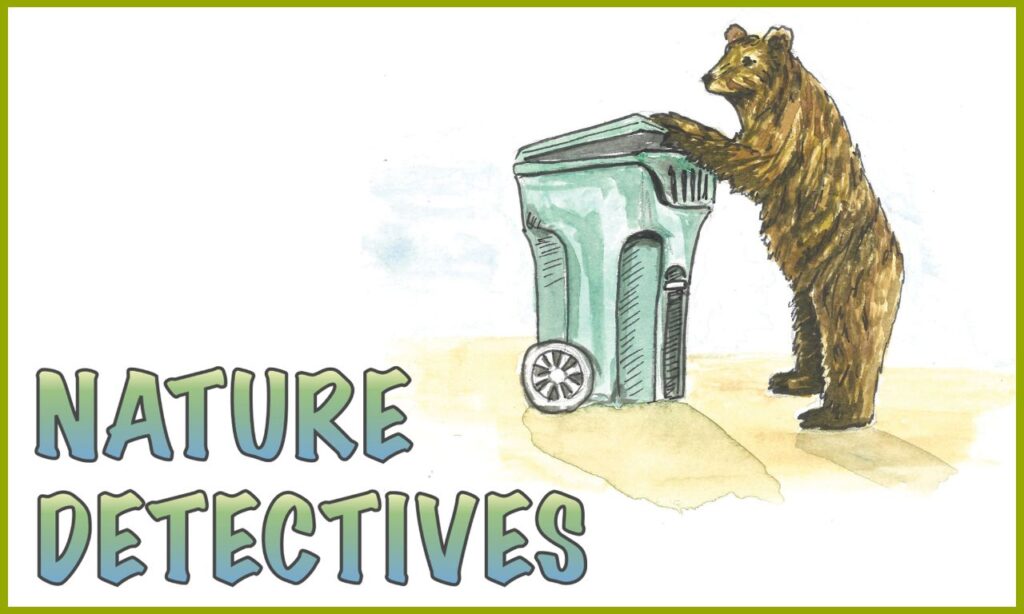
Hot cocoa, long nights, snowstorms, and … sleeping for six months? Winter in Colorado is a special time to snuggle up inside and stay warm. Hibernating animals are especially good at snuggling up to sleep for the winter!
Humans have many ways to stay comfortable in the winter. We use heaters, stoves, ovens, and clothes to keep warm. We eat chili and hot chocolate chip cookies from the oven.
Black bears, chipmunks, marmots, and other animals live outside. They can’t turn on the heat or make hot chocolate to keep warm. Instead, they hibernate. When animals hibernate, they go into a special kind of sleep for the winter. Animals who hibernate slow down everything in their body. They don’t need to eat or drink, their body temperature lowers, and their breathing and heart rate slows down.
In the winter, the berries, nuts, grass, and other plants that animals eat stop growing. That means animals don’t have any food to eat for months! Can you imagine if your fridge and pantry were empty for the winter and you had nothing to eat? Some animals can survive without eating for months when they hibernate.
Hibernating Bears
Bears know it is time for hibernation when days get shorter and temperatures lower. Their hormones also change, letting them know that they need to start preparing. Hormones are natural chemicals in our bodies that make different functions happen.
In midsummer or fall, bears start to eat more than their usual amount of food to get ready for the winter. This is called hyperphagia. Hyper means “over” and phagia means “hunger”. Bears eat 15,000-20,000 calories per day to prepare for hibernation. That is as many calories as 50 cheeseburgers! Can you imagine eating 50 cheeseburgers in one day?
The diet of bears consists mostly of berries, roots, insects, and nuts. These foods do not contain many calories, so they must eat a lot. During hyperphagia, bears spend up to 22 hours per day eating. Imagine how much work it takes to find and eat 20,000 calories of berries, roots, insects, and nuts!
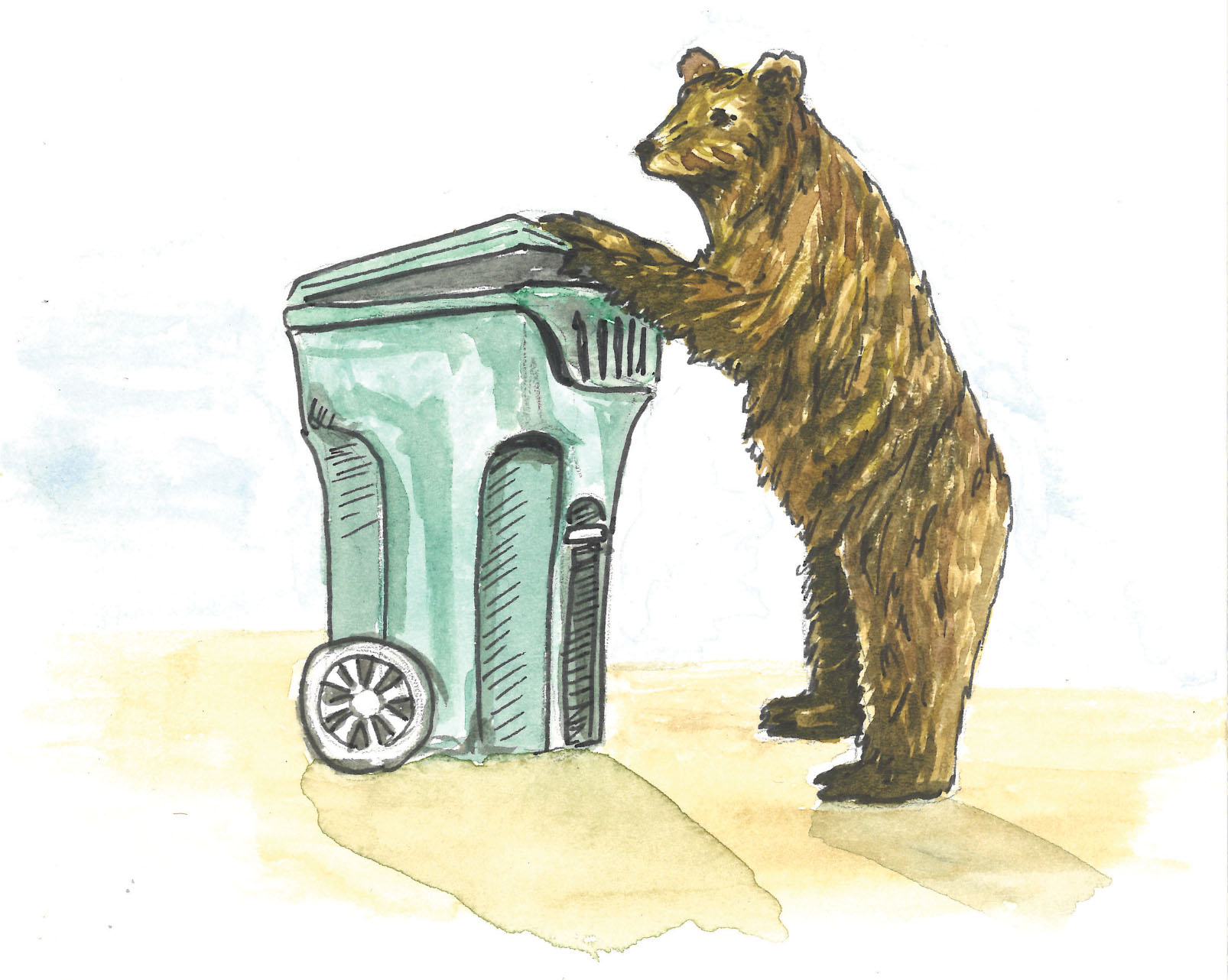
Bears try to eat enough food to gain about 4 pounds per day, so they have enough fat stored in their body for the winter. Bears also drink a lot of water during hyperphagia to stay hydrated for the winter. During the fall, bears are constantly searching for food. If a bear finds food somewhere, it will remember that food source and come back. This is why it is so important to clean up all your food when you are camping and hiking. Some trash cans even have special lids to make sure bears can’t open them to eat the trash!
Once bears are ready to start their winter long nap, they hibernate in a den. A den is a bear’s bedroom for the winter. Bears make their dens in hiding areas protected from the snow. Their dens can be in hollow trees or logs, under trees, or in rock crevices. Bears can spend up to six months hibernating in their den.
During hibernation, bears use 4,000 calories per day of stored fat. But they aren’t asleep the entire time. For them, hibernation simply means they can go without eating or drinking and may barely pee or poop at all. If you laid in bed for weeks, you would lose most of your muscle mass. Bears keep their muscle mass and only burn fat during hibernation. Bears use their bodies’ waste products during hibernation to make new proteins. Fun fact: The fat that bears burn during hibernation also releases water into the bear’s system!
While bears are hibernating, their heart rate, metabolism, and breathing slow down. Their body temperature can lower by about 12 degrees Fahrenheit! Bears don’t actually sleep the whole winter during hibernation. In fact, they enter a state called torpor. Torpor is a state of lethargy. Bears sleep a lot and sometimes wake up and move around, but they are not completely awake. This is why the mother bears can give birth during the winter!
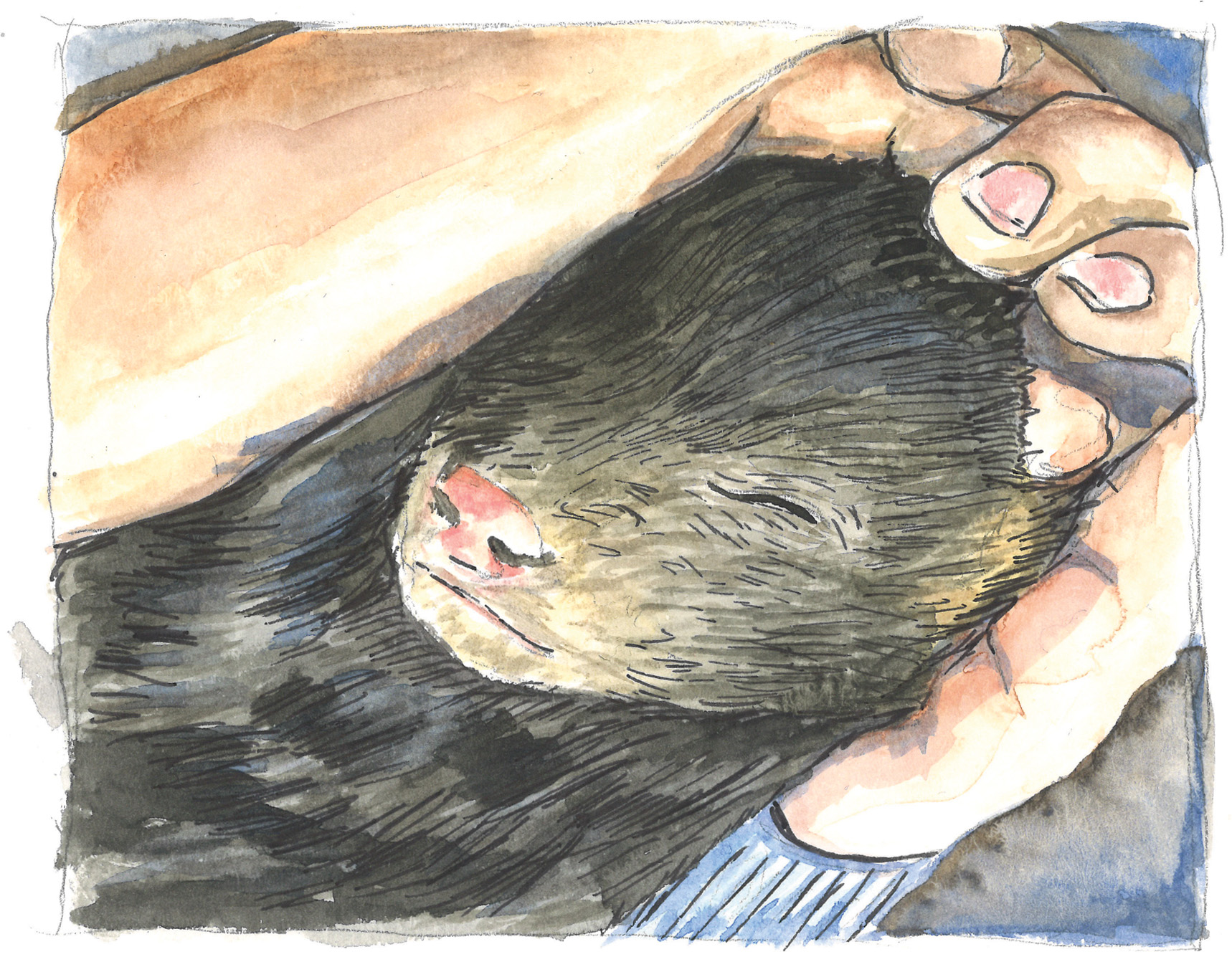
Cubs are baby bears. Cubs are born in the middle of hibernation, between mid-January and early February. When they are born, they are tiny! Newborn cubs are about the size of a can of soup and weigh less than half a pound.
What else do animals do in the winter?
Colorado is very cold in the winter, especially in the mountains. When we go outside in the winter, we wear a lot of clothes to keep warm, and we take breaks from the cold by warming up inside. Animals adapt to the winter too! Besides hibernation, what are some tools that animals use to survive the winter?
Animal Winter Superpowers:
- Some animals migrate to find warmer weather. Migration is the seasonal movement from one climate to another. In the fall, monarch butterflies move from cold Colorado to warm Mexico to escape our frigid winter.
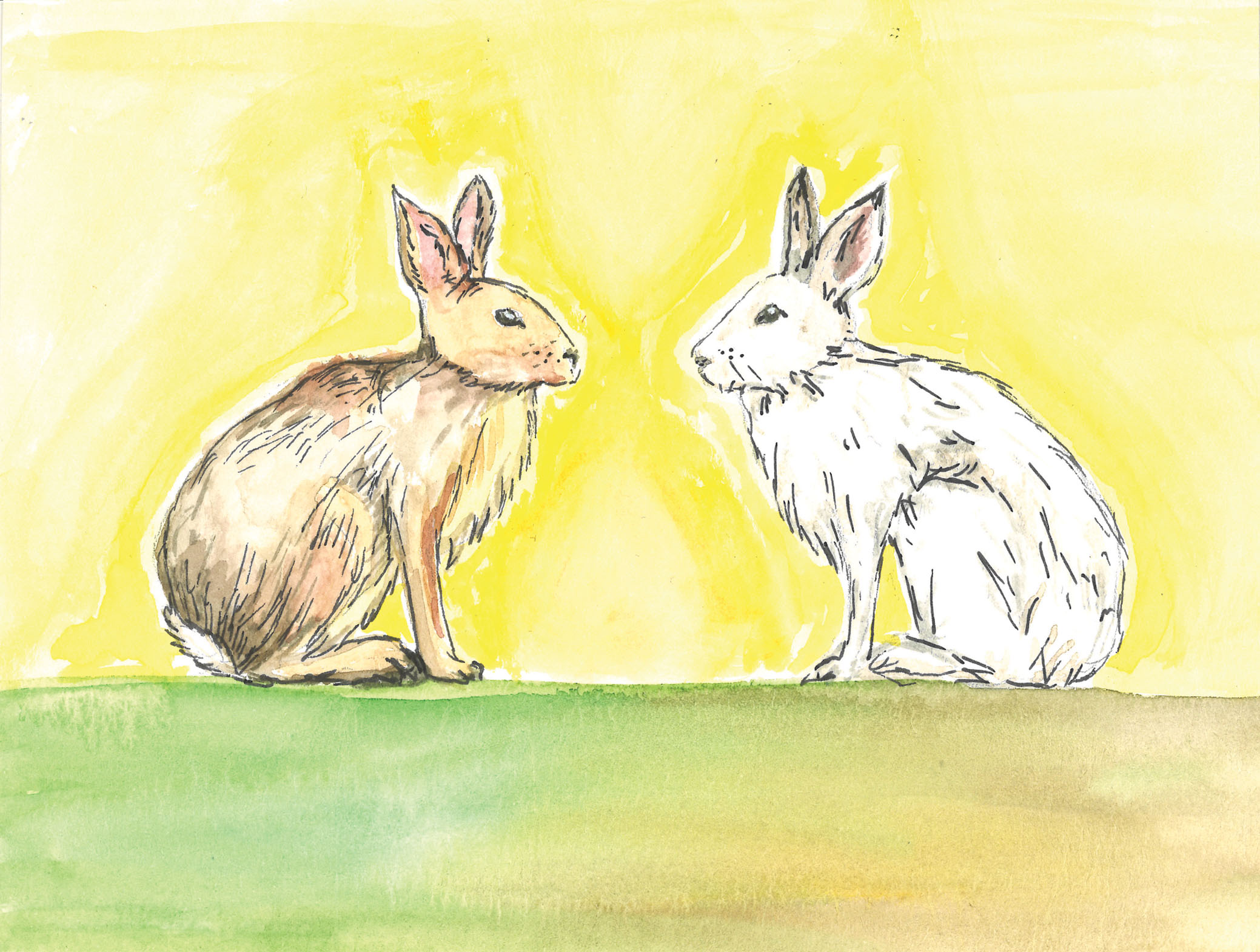
- Other animals grow a winter coat. This is a thicker fur used to keep warm. This is like wearing a sweater to insulate our body temperature. Fun fact: Snowshoe hares, Arctic foxes, and ermines change color in the winter too! These animals grow a white winter coat that keeps them warmer and helps them stay camouflaged! Camouflage means that an animal blends in with its surroundings. This makes it harder for other animals to see them.
- Animals in the arctic huddle for warmth. One such huddler is the emperor penguin, who stands close together with others to keep their whole group warm. These huddles can include as many as 500 penguins!
What are some of your favorite ways to keep warm in the winter?
What are some things you do in the winter that you don’t do the rest of the year?
Activity
You learned a lot of new words today! Print this edition’s Nature Detective activity and complete a: Word Search Activity!
Nature Detectives Library
Every past issue of Nature Detectives can be found in the Nature Detectives Library!